
Why and How Should I Fast?
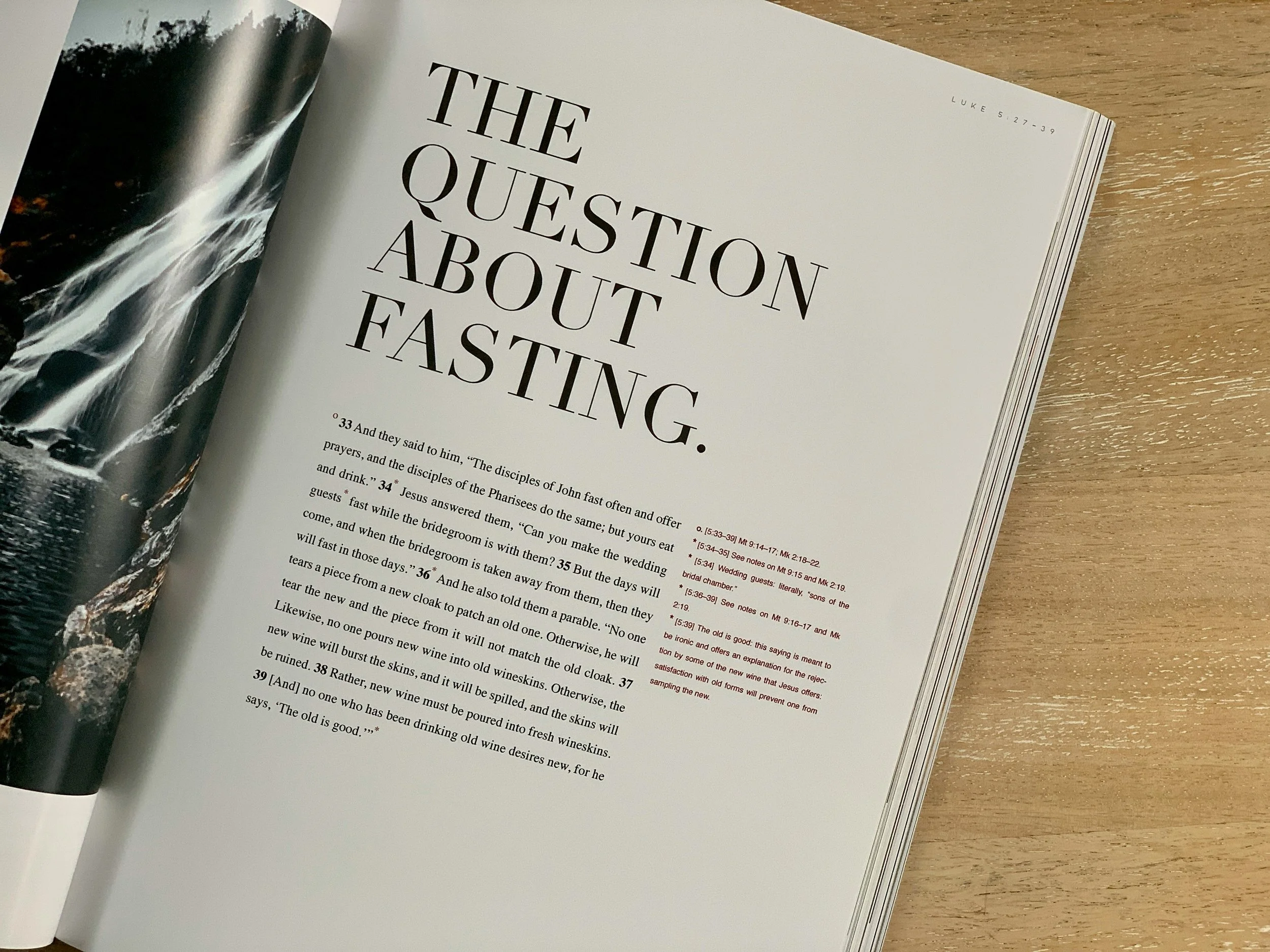
As we begin a new year, our church family typically starts with Twenty-One Days of Prayer. During these first three weeks, we encourage the spiritual discipline of fasting—a practice that can feel both confusing and daunting, especially if you’ve never done it before.
So let’s slow down, remove the mystery, and lay a healthy biblical foundation. Fasting isn’t about religious performance or spiritual arm-twisting. It’s about posture, placing ourselves before God in humility, attentiveness, and desire.
First, What Fasting Is Not
Before talking about the right reasons to fast, it’s important to clear away some common misunderstandings.
Wrong Reasons to Fast
1. To earn answers to prayer
Fasting does not manipulate God or obligate Him to respond. God is not impressed by hunger, sacrifice, or endurance. We don’t fast to twist His arm, we fast to align our hearts.
God answers prayer because of His grace, not our deprivation.
2. To pay for past sins
Fasting is never a form of penance. Our sins were fully paid for by Jesus at the cross. To fast as though we are “making up for” past failures misunderstands the gospel.
“There is now no condemnation for those who are in Christ Jesus.” (Romans 8:1)
3. To prove to God that I’m serious or trustworthy
God already knows your heart. Fasting doesn’t earn credibility with Him or unlock a higher level of trust. It’s not a spiritual audition.
Fasting doesn’t make God love you more, it places you in a position to experience His love more deeply.
In short, fasting doesn’t change God’s disposition toward you. It changes your posture toward Him.
So, Why Should We Fast?
Proper Reasons to Fast
1. To humble myself before God and declare my dependence on Him
Fasting is a tangible way of saying, “God, I need You more than I need food.” It humbles us and reorients our confidence away from ourselves.
“I humbled myself with fasting.” Psalm 35:13
“Even now… return to me with all your heart, with fasting.” Joel 2:12
“Is not this the kind of fasting I have chosen…?” — Isaiah 58:6
Fasting reminds us that we are not self-sufficient, we are God-dependent.
2. To become more sensitive to God’s voice
When the body gets hungry, it gets loud. But as we deny the flesh, we often become more aware of what is not God and better able to discern what is.
Fasting doesn’t silence the flesh instantly but it helps you recognize the difference between appetite and anointing.
Jesus modeled this in the wilderness, choosing obedience to the Spirit over the demands of the body (see Matthew 4).
3. To enjoy intimacy and closeness with God
There is a unique tenderness that often accompanies seasons of fasting and prayer. Scripture, worship, and quiet moments with God can feel unusually vivid and personal.
Fasting creates space not emptiness for deeper communion.
Prayer feels less rushed. Worship becomes more focused. God’s presence becomes more precious.
Practically Speaking: How Do I Fast?
There’s no single “right” way to fast. Scripture gives us principles, not rigid formulas. Here are some helpful steps.
1. Decide on the duration
Choose a fast that is faith-stretching but wise:
Skip one meal
24 hours
3 days
7 days
21 days
Start where you are, not where someone else is.
2. Decide what you will forgo
There are no hard-and-fast rules (pun intended).
Some options include:
Liquid-only fast (water, coffee, juice, broth, protein shakes)
Water-only fast (effective, but difficult if working full time)
Daniel-style fast (plant-based, no meats or sweets)
Media or social media fast
The goal is not suffering—it’s focus.
3. Substitute prayer for meal times
Don’t just remove food, replace it with prayer.
If you normally eat at noon, pause to pray at noon. Let hunger become a prompt to seek God.
4. Include worship, not just reading
During prayer times, read Scripture but also spend unhurried moments in worship. Singing, silence, gratitude, and reflection all deepen the experience.
5. Lean into corporate worship
Fasting is powerful individually, but it’s even more impactful in community.
Prayer meetings
Church services
Altar moments
There’s something strengthening about seeking God together.
6. Journal what God is revealing
Write down:
Scriptures that stand out
Thoughts God impresses on your heart
Convictions, encouragements, or clarity
Fasting often brings insight that’s easy to forget if you don’t capture it.
7. Break the fast slowly and wisely
When the fast ends, ease back into eating. Avoid heavy, rich, or hard-to-digest foods right away. Your body needs time to adjust.
A Final Encouragement
Fasting is not about being extreme, it’s about being intentional. Whether you skip a meal or fast for weeks, the heart posture matters more than the method.
Start the year hungry not just for answers, but for God Himself.
If you’ve never fasted before, this could be the year you discover just how near God truly is.